
Where This Hazardous Material May Still Be Hiding in Homes and Buildings
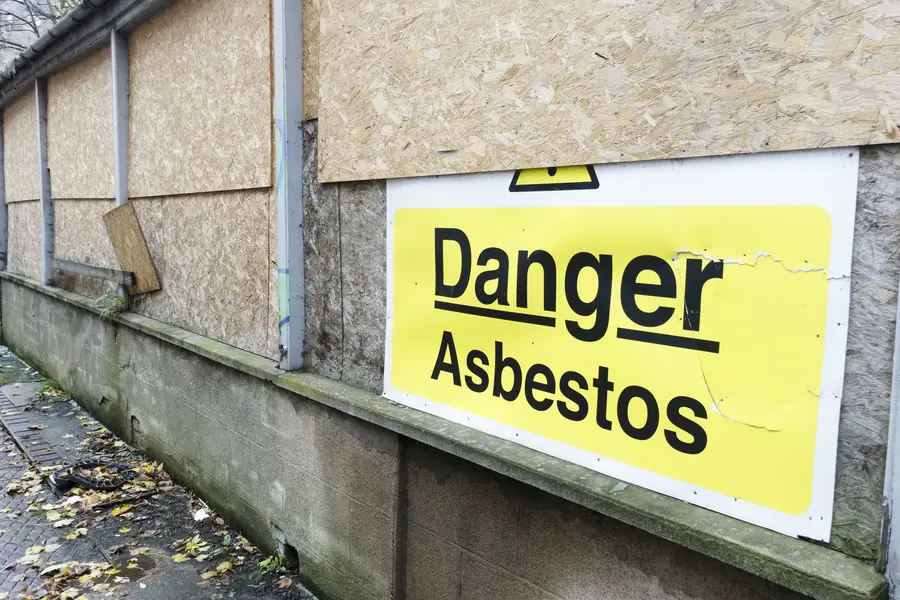
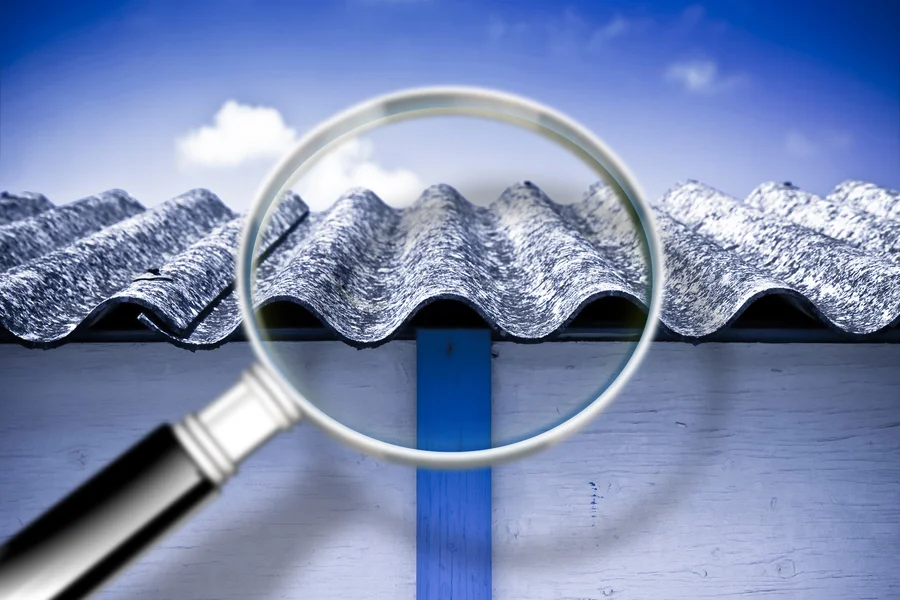
Common locations where asbestos is often found include older insulation, ceiling tiles, floor tiles, roofing materials, wall textures, and around pipes. Many homes and commercial buildings built before the 1980s may still contain materials made with asbestos. If these materials are damaged or disturbed, tiny fibers can get into the air and become a health risk.
What Asbestos Is and Why It Was Used so Much
Asbestos is a natural mineral. It was popular because it resists heat, fire, and chemicals. Builders used it in many types of construction and renovation projects. At the time, it was seen as strong and long-lasting. Now we know that breathing in asbestos fibers can cause serious health problems years later.
Because it was used in so many products, it can still be found in both homes and commercial properties today. That is why asbestos testing is often recommended before major repairs or demolition.
Common Places Inside the Home
Inside houses, asbestos was often used in areas exposed to heat or moisture. Some of the most common spots include:
- Attic and wall insulation, especially vermiculite insulation
- Vinyl floor tiles and the glue under them
- Drop ceiling tiles and textured ceiling coatings
- Drywall joint compound and patching materials
- Roof shingles and siding shingles
- Pipe wrap insulation in basements
Even small items like old furnace gaskets or stove backing panels may contain asbestos. If your home was built several decades ago, there is a higher chance some of these materials are present.
Common Places in Commercial Buildings
Commercial and industrial buildings often used asbestos on a larger scale. Schools, offices, warehouses, and factories may contain it in:
- Boiler insulation and mechanical rooms
- Spray-on fireproofing materials
- Acoustic ceiling panels
- Large HVAC duct insulation
- Cement panels and roofing products
In these settings, routine maintenance can disturb hidden asbestos. That is why testing is part of many renovation plans. In the broader service category keyword field, asbestos services such as inspections and lab analysis play a key role in building safety programs.
What to Check Before Remodeling
If you plan to remodel, do not assume materials are safe just because they look fine. Asbestos fibers are too small to see. The only reliable way to confirm its presence is through asbestos testing performed by trained professionals.
Before starting any project, check:
- The age of the home or building
- Past renovation records
- Areas where walls, floors, or ceilings will be cut
- Mechanical rooms and attic insulation
Skipping this step can lead to contamination of your living space. Cleanup can be costly and time consuming.
Mistakes People Often Make
One common mistake is trying to remove suspect material without testing it first. Breaking tiles or tearing out insulation can release fibers into the air. Another mistake is relying on visual checks alone. Asbestos cannot be confirmed by sight.
Some people also delay testing because the material looks undamaged. While intact materials are usually less risky, damage from leaks, drilling, or remodeling can quickly change that.
When to Schedule Professional Testing
You should plan asbestos testing if:
- Your property was built before the 1980s
- You see damaged insulation or crumbling tiles
- You are planning renovations or demolition
- You are buying or selling an older property
Licensed professionals collect small samples safely and send them to a certified lab. Results confirm whether asbestos is present and what steps should follow. This helps protect your family, workers, and anyone who enters the building.
Get Clear Answers Before You Disturb Anything
If you live in Columbus, GA and suspect asbestos in your home or building, it is smart to get expert guidance before starting work. At MLB EnviroHealth and Safety LLC, we provide asbestos testing to help property owners make safe decisions. Call (706) 204-9636 to schedule an inspection or speak with our team about your concerns. We are here to help you move forward safely and with confidence.