
How the Air Inside Your Home Affects Your Lungs and Daily Comfort
The air inside your home can affect how well you breathe every day. indoor air quality testing helps find hidden pollutants that may cause coughing, sinus problems, asthma flare-ups, and other breathing issues. By checking for dust, mold, chemicals, and poor airflow, you can learn what is in your air and take steps to improve it.
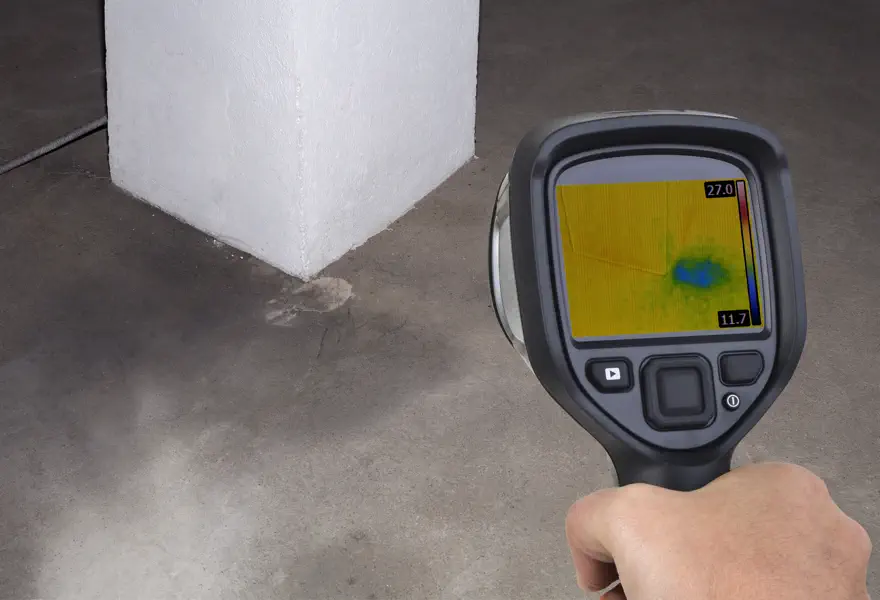
Quick Diagnosis Summary
If you or your family often feel sick at home but better when you leave, your indoor air may be the problem. indoor air quality testing measures particles and gases that irritate your lungs. It gives clear answers instead of guesswork. Poor air can build up slowly, so many people do not notice the link right away.
Common Symptoms of Poor Indoor Air
Breathing problems caused by bad air can look like common colds or allergies. That is why they are easy to ignore.
- Frequent coughing or throat clearing
- Stuffy or runny nose indoors
- Headaches that fade when you leave the house
- Wheezing or shortness of breath
- Watery or itchy eyes
- Tiredness without a clear reason
Children, older adults, and people with asthma often feel the effects faster. Over time, long-term exposure can make respiratory conditions worse.
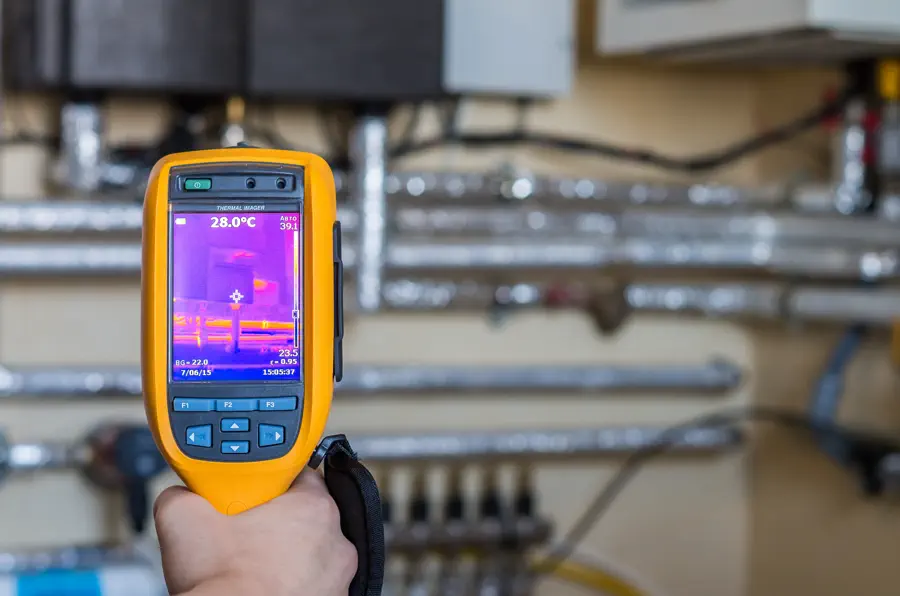
Likely Causes Inside the Home
Many homes trap pollutants indoors. Modern houses are built tight to save energy, but that also keeps stale air inside.
Common causes include:
- Dust buildup in vents and ducts
- Mold growth from leaks or high humidity
- Pet dander
- Cleaning products with strong chemicals
- Smoke from cooking or fireplaces
- Poor ventilation in bathrooms and kitchens
Without indoor air quality testing, you may not know which of these is affecting your home. Some problems are visible, like mold on walls. Others, such as carbon monoxide or high particle levels, cannot be seen or smelled.
What to Check First
Before calling for help, you can look for simple warning signs:
- Check for water stains on ceilings or walls
- Listen for noisy or weak airflow from vents
- Replace dirty HVAC filters
- Use a humidity monitor to see if levels stay above 50 percent
If symptoms continue after these steps, the issue may be deeper. That is when indoor air quality testing gives more detailed answers.
Safe Fixes Vs Pro-Level Fixes
Some improvements are simple and low cost. Others need trained professionals and special tools.
Safe fixes you can try:
- Change air filters every one to three months
- Use exhaust fans while cooking or showering
- Open windows on mild days for fresh air
- Vacuum with a HEPA filter
Pro-level fixes may include duct cleaning, mold removal, installing whole-home air purifiers, or balancing airflow throughout the house. indoor air quality testing often comes first so the right solution is chosen. Without testing, people may spend money on equipment that does not solve the real issue.
Prevention Tips for Healthier Air
Keeping your air clean is easier than fixing damage later. Small habits make a big difference.
- Schedule regular HVAC maintenance
- Keep humidity between 30 and 50 percent
- Store chemicals tightly sealed
- Fix plumbing leaks right away
- Have fuel-burning appliances checked each year
Many homeowners choose indoor air quality testing every few years, or after remodeling, to confirm their air is still safe. Renovation projects often release dust and chemical fumes that linger longer than expected.
When to Call for Professional Help
You should seek expert help if someone in the home has ongoing breathing issues, if you smell musty odors, or if you suspect carbon monoxide. indoor air quality testing uses monitors and lab analysis that go beyond store-bought kits. The results explain exactly what is in your air and how it may affect respiratory health. From there, you can create a clear action plan instead of guessing.
Get Clear Answers About Your Indoor Air
If you live in Columbus, GA and are dealing with breathing concerns at home, indoor air quality testing can provide real data and simple next steps. Contact MLB EnviroHealth and Safety LLC to schedule an evaluation and speak with our team about your concerns. Call (706) 204-9636 today so we can test your air, explain the results, and help you create a cleaner, healthier space for your family.