
How to Tell When Your Indoor Air May Be Unsafe
If you notice strange smells, more dust than usual, or health symptoms that get worse indoors, it may be time for indoor air quality testing. These signs often point to hidden issues like mold, poor ventilation, or high humidity. Testing the air can help you find out what is really in your home or building and what steps to take next.
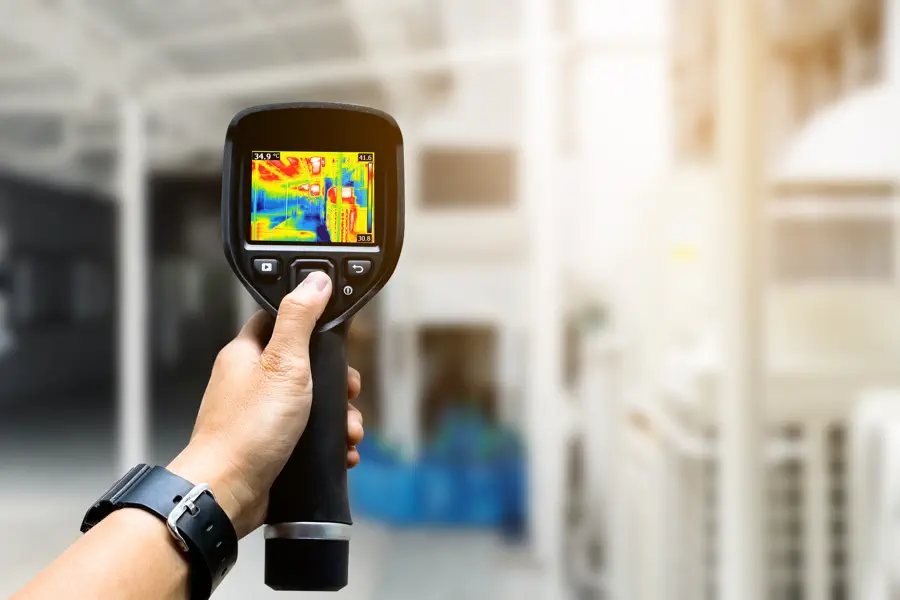
Quick Diagnosis Summary
Bad indoor air does not always come with a clear warning. Many problems build up over time. You might feel fine outside, but cough or sneeze once you step indoors. If several people in the same space feel tired, dizzy, or stuffed up, the building itself may be the cause. Indoor air quality testing helps confirm if pollutants are present and how serious the problem is.
Common Symptoms
Your body often gives the first clues that something is wrong. Pay attention to patterns. Do symptoms stop when you leave the building? Do they return when you come back?
- Frequent sneezing or coughing indoors
- Headaches that start at home or work
- Burning eyes or itchy skin
- Musty or stale odors
- Worsening asthma or allergy symptoms
- Feeling tired without a clear reason
These issues may seem small at first. Over time, they can affect sleep, focus, and overall health.
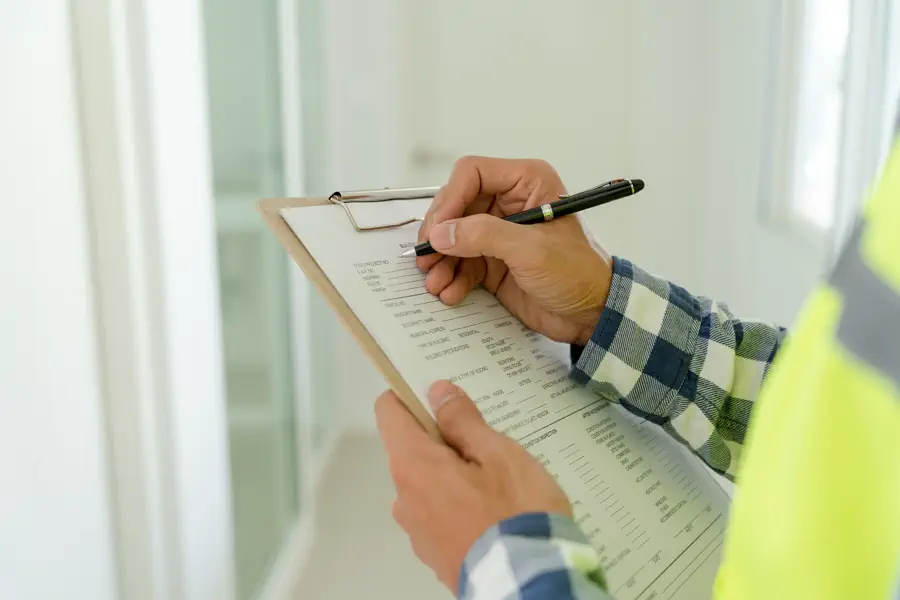
Likely Causes
Indoor air problems often come from everyday sources. Some are easy to spot. Others stay hidden behind walls or in ductwork.
Common causes include:
- Mold growth from leaks or high humidity
- Dust and debris in air ducts
- Pet dander buildup
- Smoke from cooking or fireplaces
- Chemicals from cleaning products or paint
- Poor ventilation that traps stale air inside
Newer homes can also have issues. Tight construction saves energy but may limit fresh airflow. Without proper ventilation, pollutants stay trapped indoors.
What to Check First
Before scheduling indoor air quality testing, you can do a few simple checks.
- Look for visible mold around vents, windows, or under sinks.
- Check for water stains on ceilings or walls.
- Replace dirty air filters in your HVAC system.
- Use a humidity meter to see if levels stay above 60 percent.
- Notice if rooms feel stuffy even with windows closed.
If problems continue after these steps, the issue may be deeper than surface dust or a clogged filter.
Safe Fixes Vs Pro-Level Fixes
Some air quality problems have simple fixes. Others need trained help.
Safe fixes you can try:
- Open windows on mild days for fresh airflow
- Run bathroom and kitchen exhaust fans
- Clean with mild, low-odor products
- Vacuum with a HEPA filter vacuum
Pro-level fixes may include:
- Advanced mold inspection inside walls
- Air sampling for allergens or chemicals
- Duct cleaning for heavy buildup
- Installing air purifiers or upgraded filtration systems
Indoor air quality testing helps separate guesswork from facts. Instead of trying random products, you get real data about what is in the air.
Prevention Tips
Once you fix current problems, focus on keeping the air clean long term.
- Change HVAC filters every 1 to 3 months
- Keep indoor humidity between 30 and 50 percent
- Fix roof and plumbing leaks right away
- Have your HVAC system checked each year
- Avoid smoking indoors
Regular cleaning and airflow make a big difference. Small habits can stop larger issues from forming.
When to Schedule Professional Help
You should consider indoor air quality testing if symptoms last more than a few weeks, if you smell mold but cannot find it, or if someone in the building has severe allergies or breathing problems. It is also wise after water damage, flooding, or major renovations. Testing gives you clear answers and helps guide the next steps with confidence.
Get Clear Answers About Your Indoor Air
If you live in Columbus, GA and notice ongoing air quality concerns, it may be time to take action. At MLB EnviroHealth and Safety LLC, we provide detailed indoor air quality testing to help uncover hidden pollutants and guide smart next steps. We take the time to explain results in plain language so you know what is happening inside your home or building. Call us at (706) 204-9636 to schedule a visit and let us help you create a cleaner, safer indoor space.