
A Clear, Step-by-Step Look at the Inspection Process
If you are scheduling a mold inspection service, you can expect a detailed check of your home for signs of moisture and mold growth. The inspector will look at problem areas, test the air or surfaces if needed, and explain what they find. The goal is to locate mold, find the source of moisture, and help you decide on next steps.
What You Should Do Before the Inspector Arrives
You do not need to prepare much, but a few small steps can help the visit go smoothly. Clear access to areas like the attic, basement, crawl spaces, and under sinks. If furniture blocks walls where you have seen stains or smells, move it if you can.
Make a short list of concerns. Write down:
- When you first noticed a musty smell
- Any past leaks or flooding
- Rooms with visible spots or stains
- Recent plumbing or roof repairs
This helps the inspector focus on the right areas during the mold inspection service.
Step-by-Step: What Happens During the Visit
Most appointments follow the same basic process. Here is what usually happens:
- Initial conversation. The inspector asks about water damage, leaks, and health symptoms.
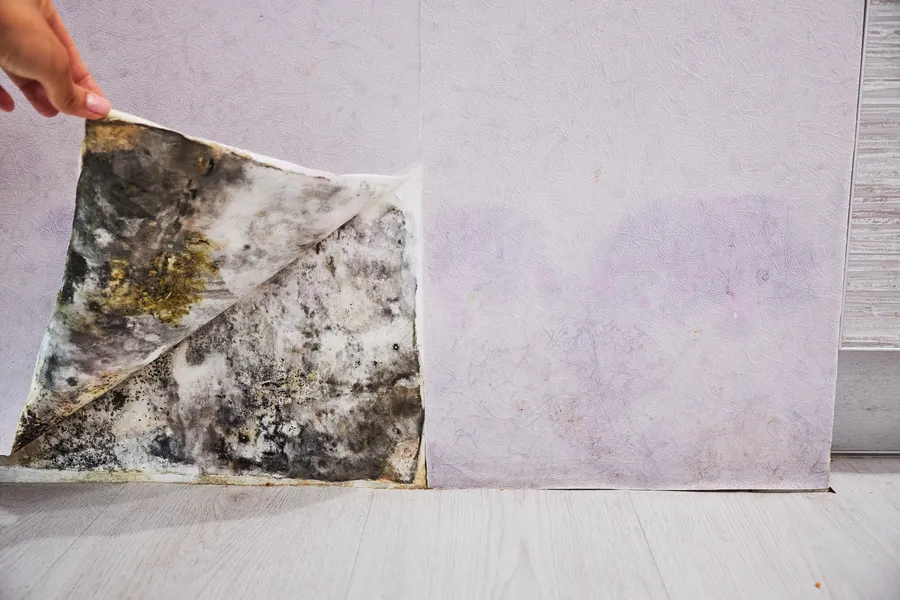
- Visual check. They look for staining, warped materials, peeling paint, and visible mold growth.
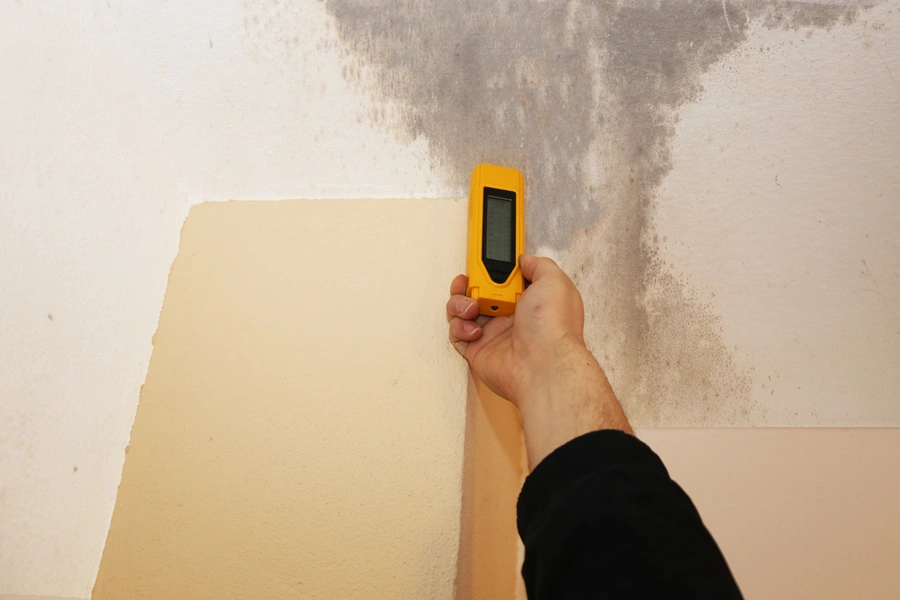
- Moisture testing. Special tools measure moisture in walls, floors, and ceilings.
- Air or surface sampling. If needed, samples are collected and sent to a lab.
- Inspection of hidden spaces. Attics, crawl spaces, HVAC systems, and behind appliances may be checked.
- Summary of findings. You receive an explanation of what was found and what to do next.
A typical mold inspection service takes one to two hours, depending on the size of the property and how many areas need testing.
Common Mistakes to Avoid
Homeowners sometimes make simple mistakes before or during an inspection.
- Painting over stained areas before the visit
- Using strong cleaners right before testing
- Running air purifiers constantly during sampling
- Ignoring small leaks under sinks
Fresh paint and heavy cleaning can hide signs that help locate the problem. It is best to leave affected areas as they are so the inspection results are accurate.
What the Results Will Tell You
After the mold inspection service, you should receive a clear report. This report may include moisture readings, lab results, and photos. It should explain:
- If mold is present
- What type of mold was detected, if tested
- The likely source of moisture
- Recommended next steps
In some cases, the fix is simple. You may just need to repair a leaking pipe and dry the area. In other cases, professional mold removal may be needed to clean and remove damaged materials.
When You Should Call a Professional Right Away
You should schedule a mold inspection service quickly if you notice strong musty odors, visible growth larger than a few square feet, or recent flooding. Health symptoms like coughing, sneezing, or headaches that improve when you leave the house may also point to a mold issue.
Rental property owners, home buyers, and sellers often request an inspection before closing a deal. It provides clear answers and written documentation.
Why a Thorough Inspection Matters
Mold often grows where you cannot see it. Behind drywall, under flooring, and above ceiling tiles are common hiding spots. If you only treat what is visible, the problem may return.
A proper mold inspection service focuses on moisture detection as much as visible growth. Mold needs water to survive. If the moisture problem is not fixed, cleaning alone will not solve it.
Schedule an Inspection With a Trusted Local Team
If you suspect mold in your home in Columbus, GA, it is better to get clear answers sooner rather than later. At MLB EnviroHealth and Safety LLC, we provide detailed mold inspection service visits and easy-to-read reports that explain your options. We take the time to walk you through our findings and answer your questions. Call us at (706) 204-9636 to book an appointment and let us help you protect your property and the people inside it.